About Priority One Packaging
Priority One Packaging is an independent editorial resource on packaging automation and end-of-line equipment, written for engineers and buyers.
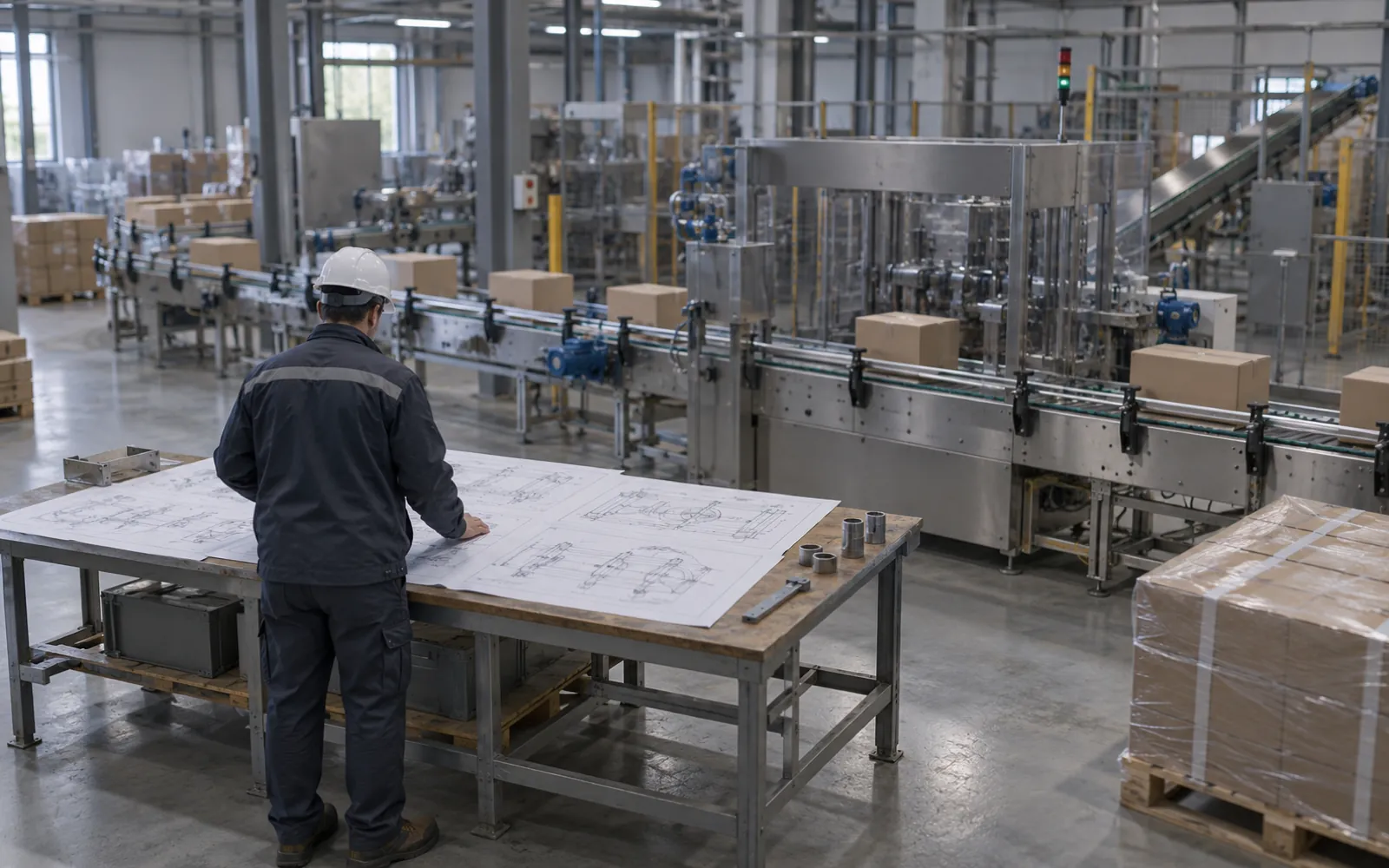
Priority One Packaging is an independent editorial resource on packaging automation and end-of-line equipment. We write plain-language guides that explain how the machines at the end of a packaging line work, how they connect, and what to weigh before specifying or changing them.
Why this site exists
End-of-line equipment decisions involve many connected choices: package type, rate, pallet pattern, floor space, sanitation, and controls. Information about them is often scattered across brochures and trade articles. We bring the engineering reasoning together in one place and keep it organized by equipment family, so readers can see how a choice on one machine affects its neighbors.
The scope is deliberately narrow. We write about the equipment and the engineering decisions at the downstream end of a packaging line: how filled and closed packages are grouped, cased, palletized, wrapped, moved, and tied back into the controls that run the rest of the plant. We do not review individual products, rank suppliers, or publish prices.
Who it is for
Packaging, manufacturing, and automation engineers, operations and maintenance managers, and procurement teams. It is also for anyone new to the subject who needs a clear starting point before talking to suppliers. Each group arrives with a different question.
Packaging and plant engineers ask how a change in case size, pallet pattern, or line rate affects the machines around it, and what the floor plan has to allow for. Automation and controls engineers want to know how a palletizer, conveyor, or wrapper exchanges signals with the line controller, and where safety zones and interlocks fit. Operations and maintenance managers ask what a machine demands day to day: changeovers, sanitation, spare parts, and operator skills.
Procurement teams ask what belongs in a specification, which questions to put to suppliers, and how to compare quotes that were written differently. Integrators and consultants use the guides as a shared vocabulary with clients, and as a checklist of topics worth raising early.
What we cover
- Packaging equipment: an overview of end-of-line machine families and how they connect on a line
- Palletizing: robotic and conventional palletizers and how to compare them
- Depalletizing: machines that unload pallets and feed containers onto the line
- Conveyors: transport, accumulation, and elevation between machines
- End-of-line packaging: case packing, sealing, wrapping, and the sequence of steps from filled package to shipped pallet
- Packaging line integration: layout, controls, communication, and how new equipment is tied into an existing line
- Industries: how requirements shift between sectors such as food, beverage, and consumer goods
- Applications: handling by package type, from bottles to bags to cases, and the problems each one creates
- Guides: step-by-step selection and comparison articles that pull the other sections together
How a guide is built
Guides follow one pattern so you can find things quickly. Each opens with a short answer, so a reader in a hurry gets the main point first. The body follows decision logic: what to determine first, what that choice rules in or out, and what follows from it. Where numbers matter, specification tables set out the parameters that usually drive a decision, and selection checklists turn the reasoning into questions you can take to a meeting. Questions that come up repeatedly get their own short answers, and a references list shows where the claims came from.
Two examples: How to choose a palletizer works through the choice from product and rate to footprint, and Robotic vs. conventional palletizer compares the two approaches against the conditions that favor each.
Sources and accuracy
We draw on published sources: industry media, standards bodies, regulations, and manufacturer technical material such as manuals and application notes. We give numbers only when we can source and attribute them, and we avoid presenting a typical figure as a guarantee. Standards are described in general terms, because editions change and requirements differ by jurisdiction; confirm the current edition and its scope before relying on any summary. Equipment is specific to its supplier and its application, so check details with the supplier and a qualified engineer before you commit to a design.

Reviews and updates
Pages are re-checked against their sources periodically, and again when a relevant standard or regulation changes or when a reader reports a problem. When a check shows that a statement no longer holds, the page is corrected rather than left with an outdated claim.
Editorial approach
These commitments apply to every page.
- Every guide cites its sources and is re-checked against them over time.
- We state our assumptions, so you can see when they differ from your situation.
- We give numbers only when we can source them.
- Equipment performance and safety requirements depend on the machine, the product, the standard, and the jurisdiction. Confirm the details for your project with the equipment supplier and a qualified engineer.
Images
Images and diagrams on this site are original editorial illustrations that depict representative line arrangements, equipment flows, and layout principles.
Corrections
If you find an error, an outdated statement, or a source that no longer supports a claim, please tell us through the contact page. We review reports and correct the affected guide.
Independence
Priority One Packaging is an independent editorial resource on packaging automation. We do not manufacture, sell, install, or service equipment, and we are not affiliated with Priority One Packaging Ltd., Arrowhead Systems, or Regal Rexnord. Owners of legacy machines should contact the equipment’s manufacturer or an authorized service provider for parts and service.