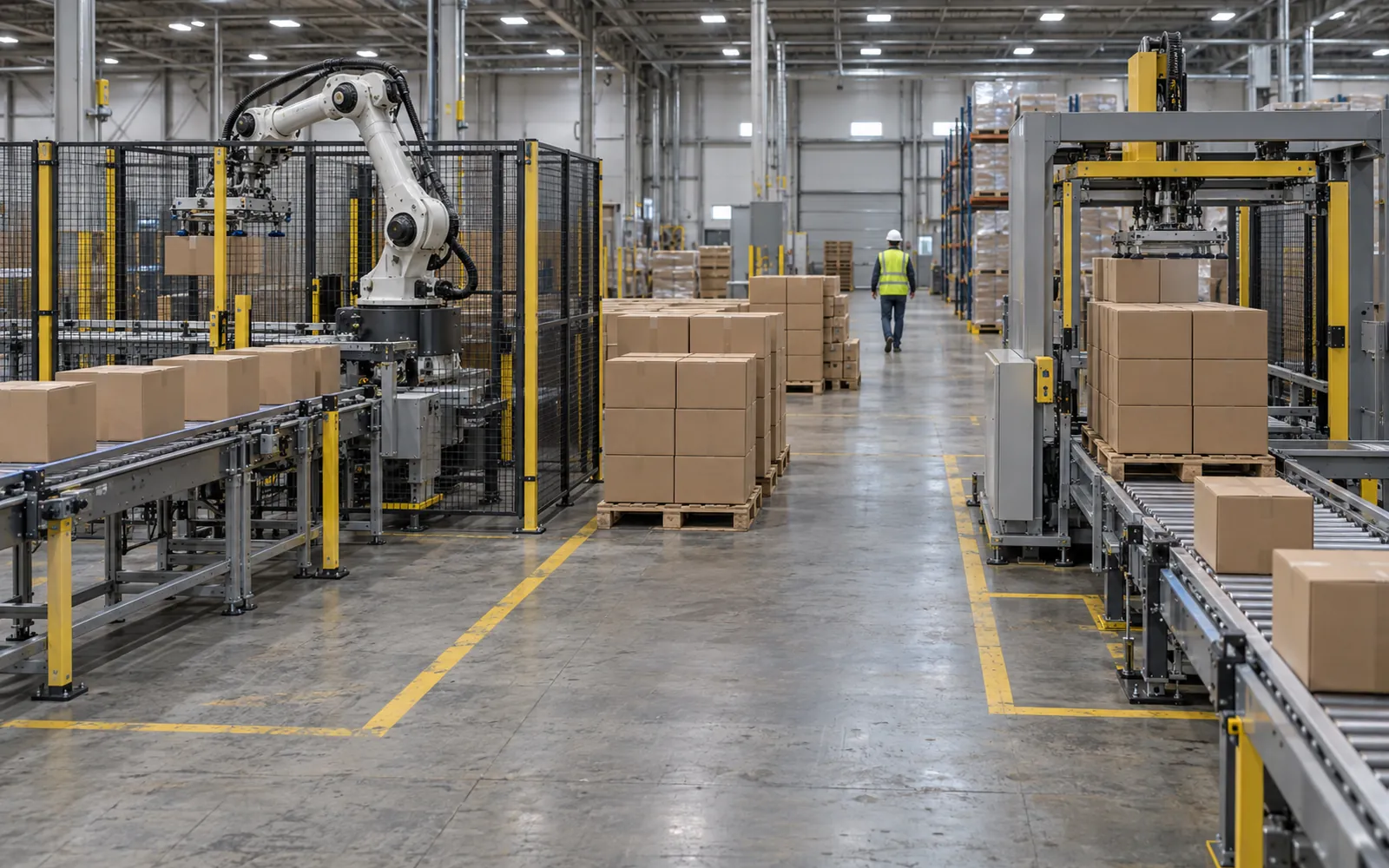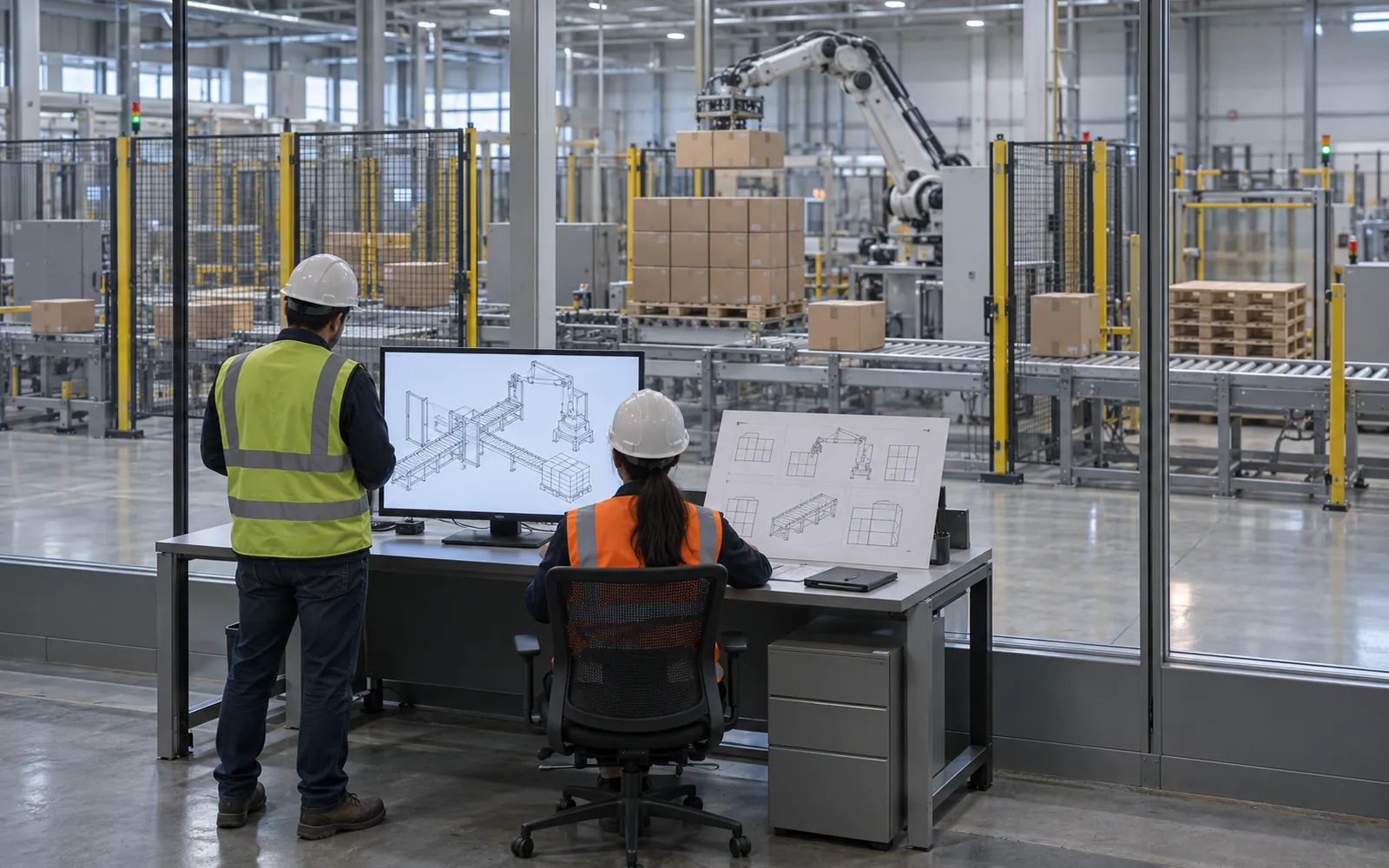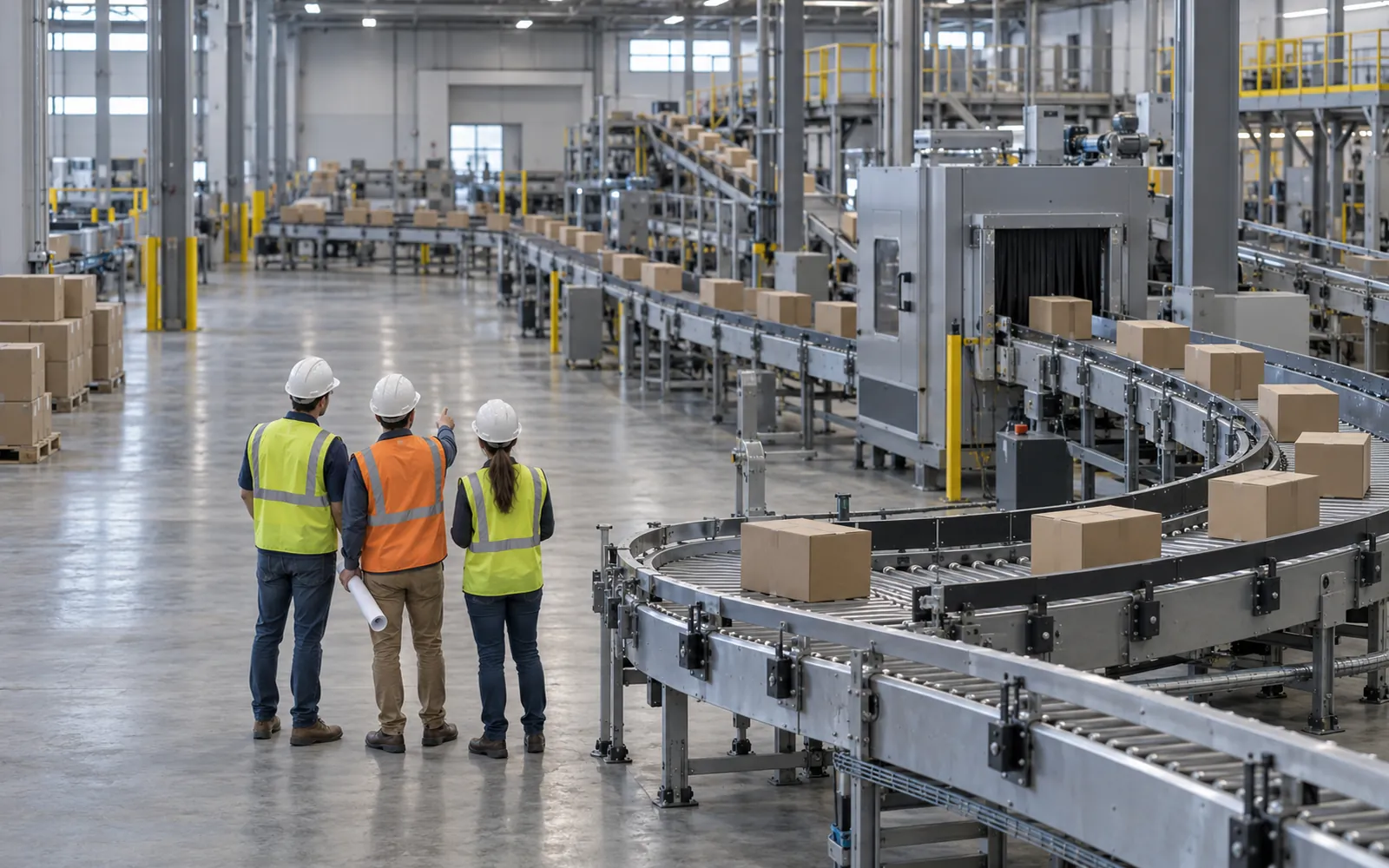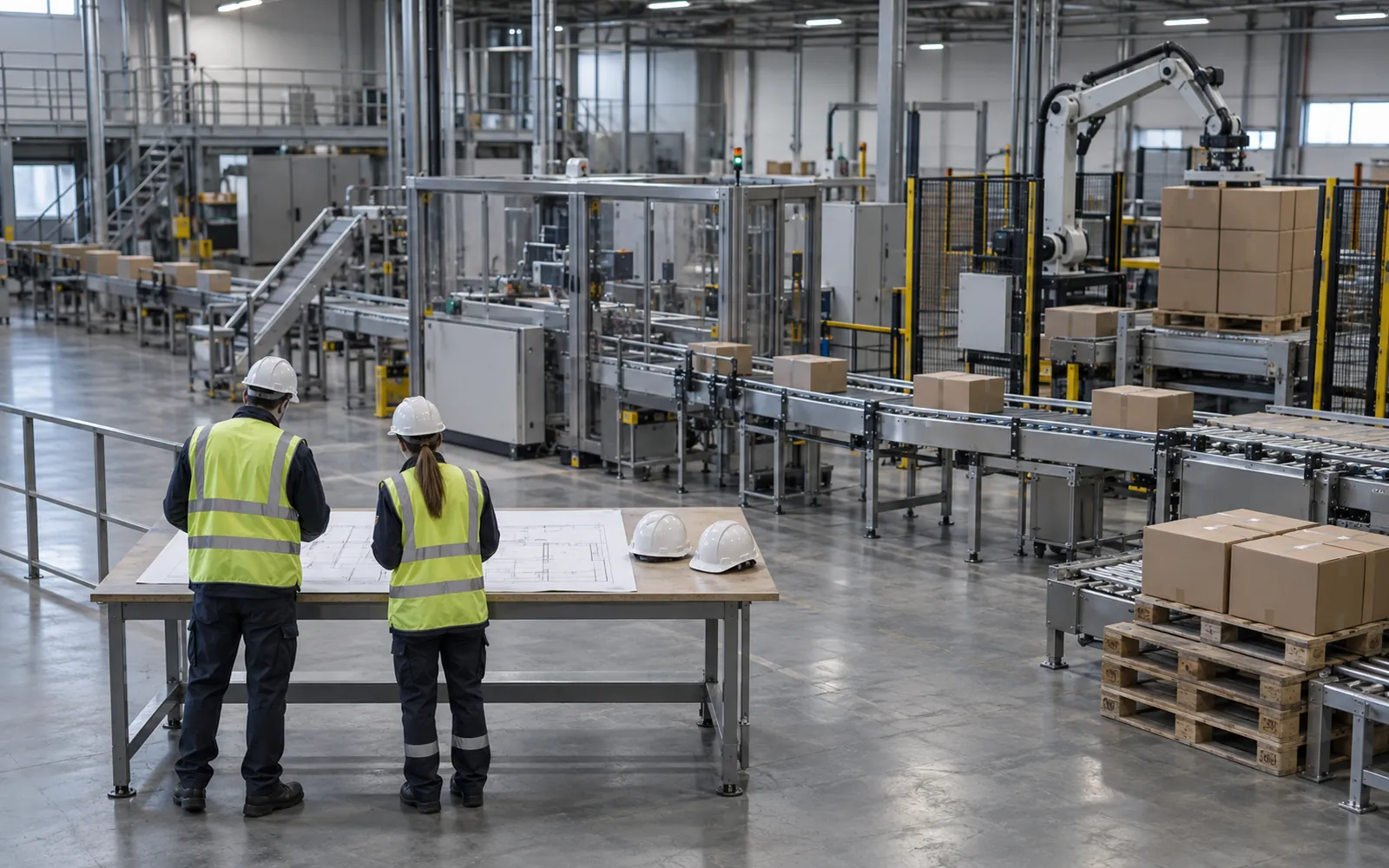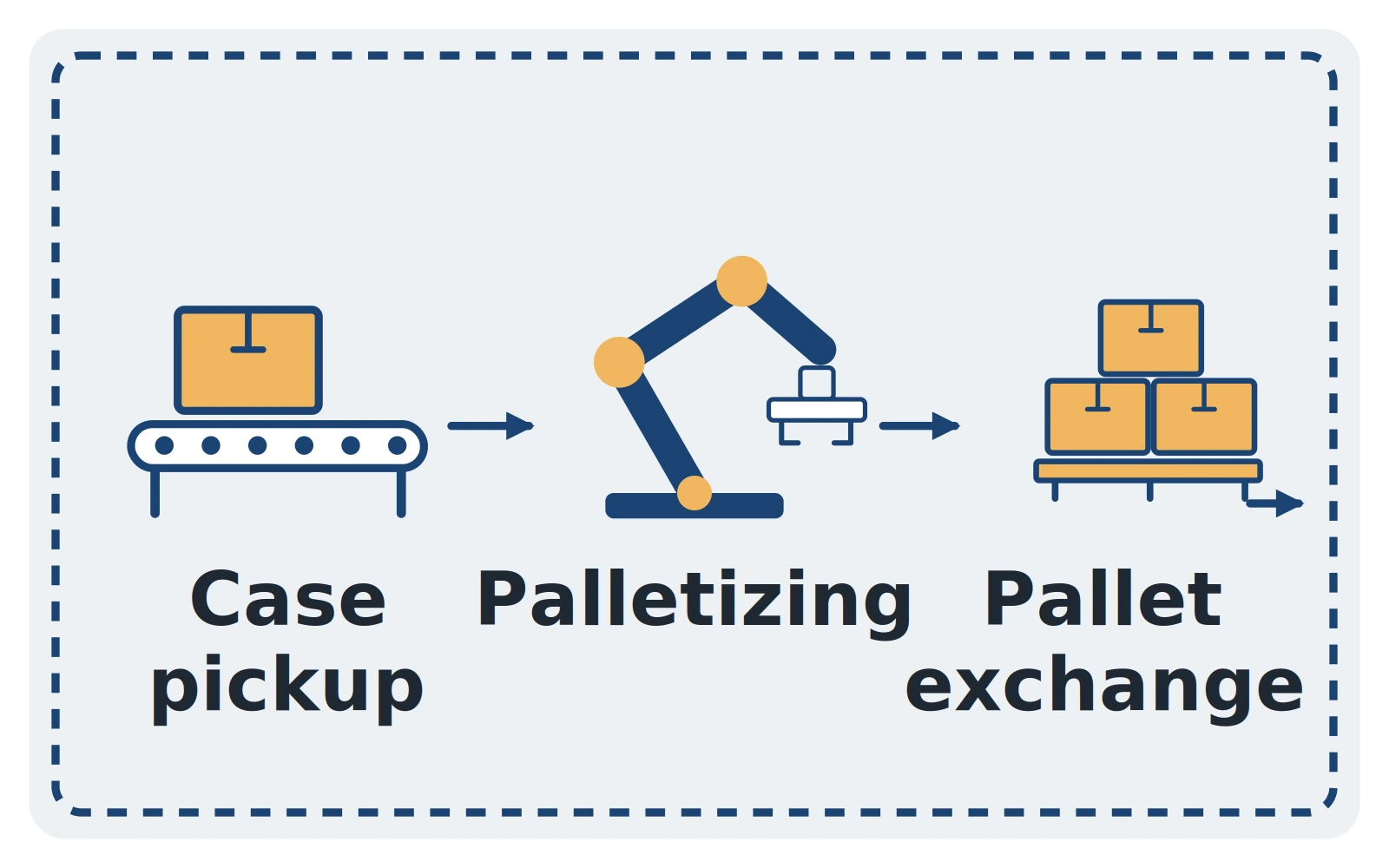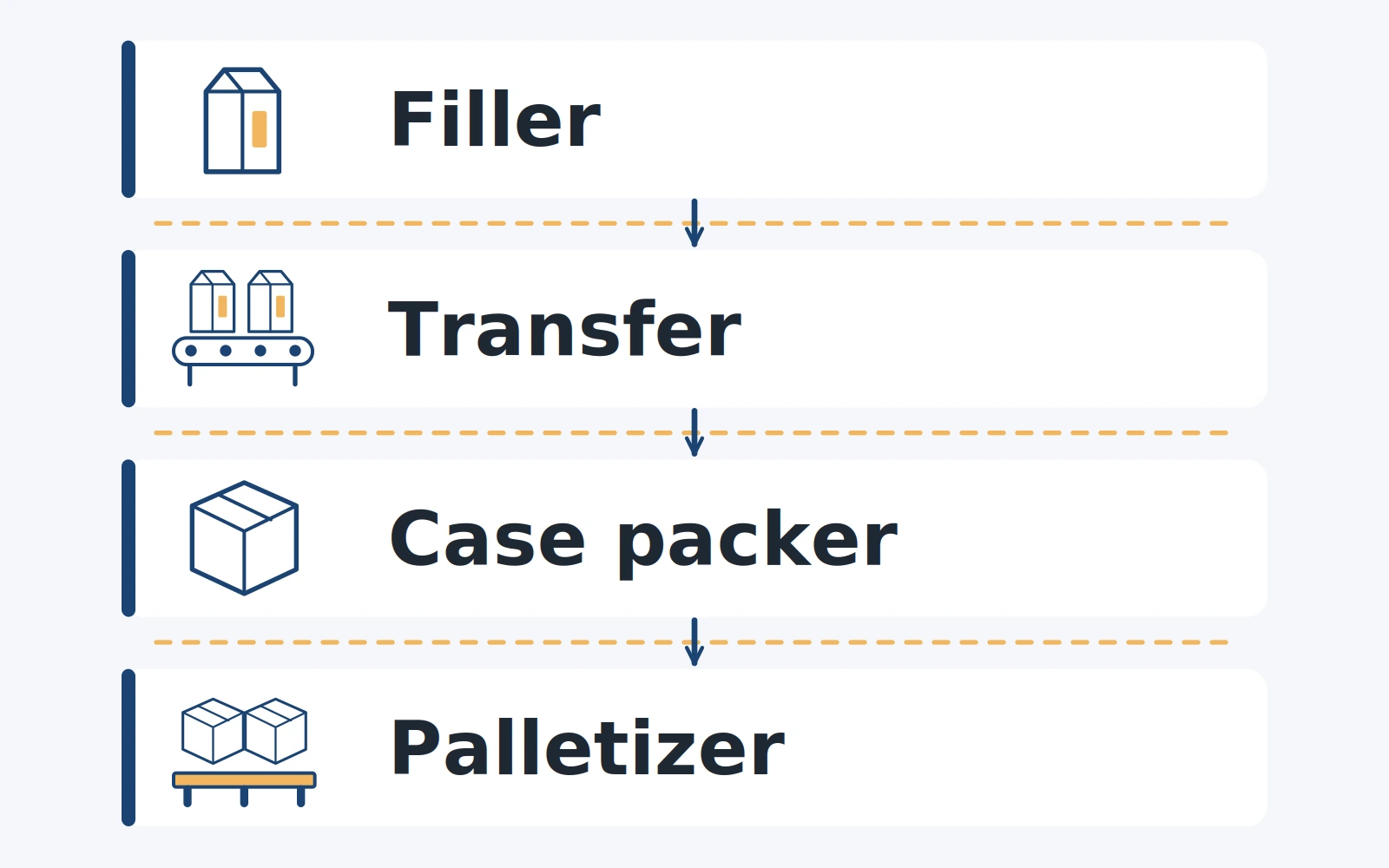
The equipment pages explain how a palletizer, conveyor, or depalletizer works. The guides here deal with the decisions that come before a purchase request: given your packages, rates, floor, and budget, which option fits, and what should you ask a supplier before you commit?
How the guides are organized
Each guide is built around one decision and follows the order an engineer would work in: requirements first, then the variables that separate the options, then a way to check the answer.
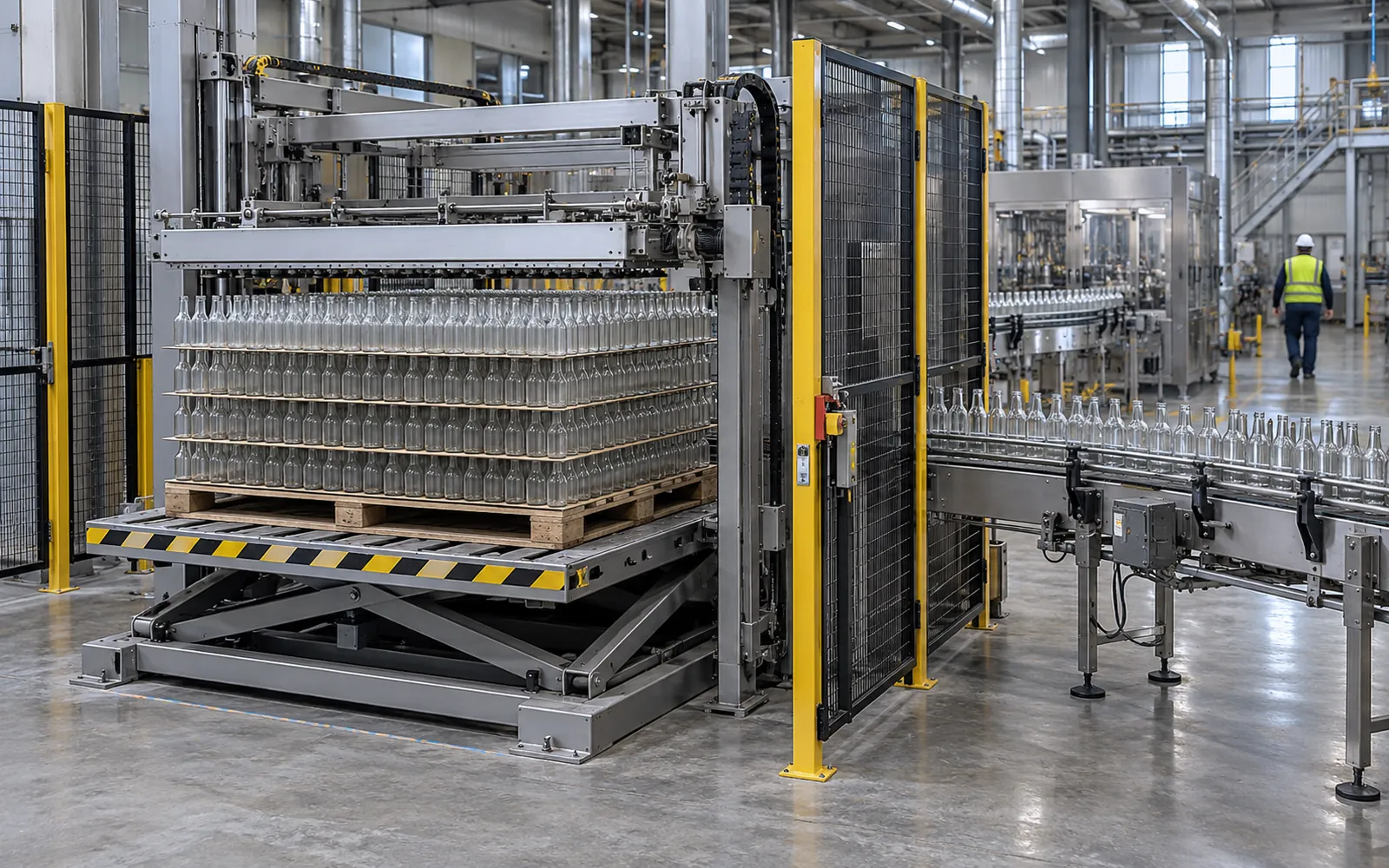
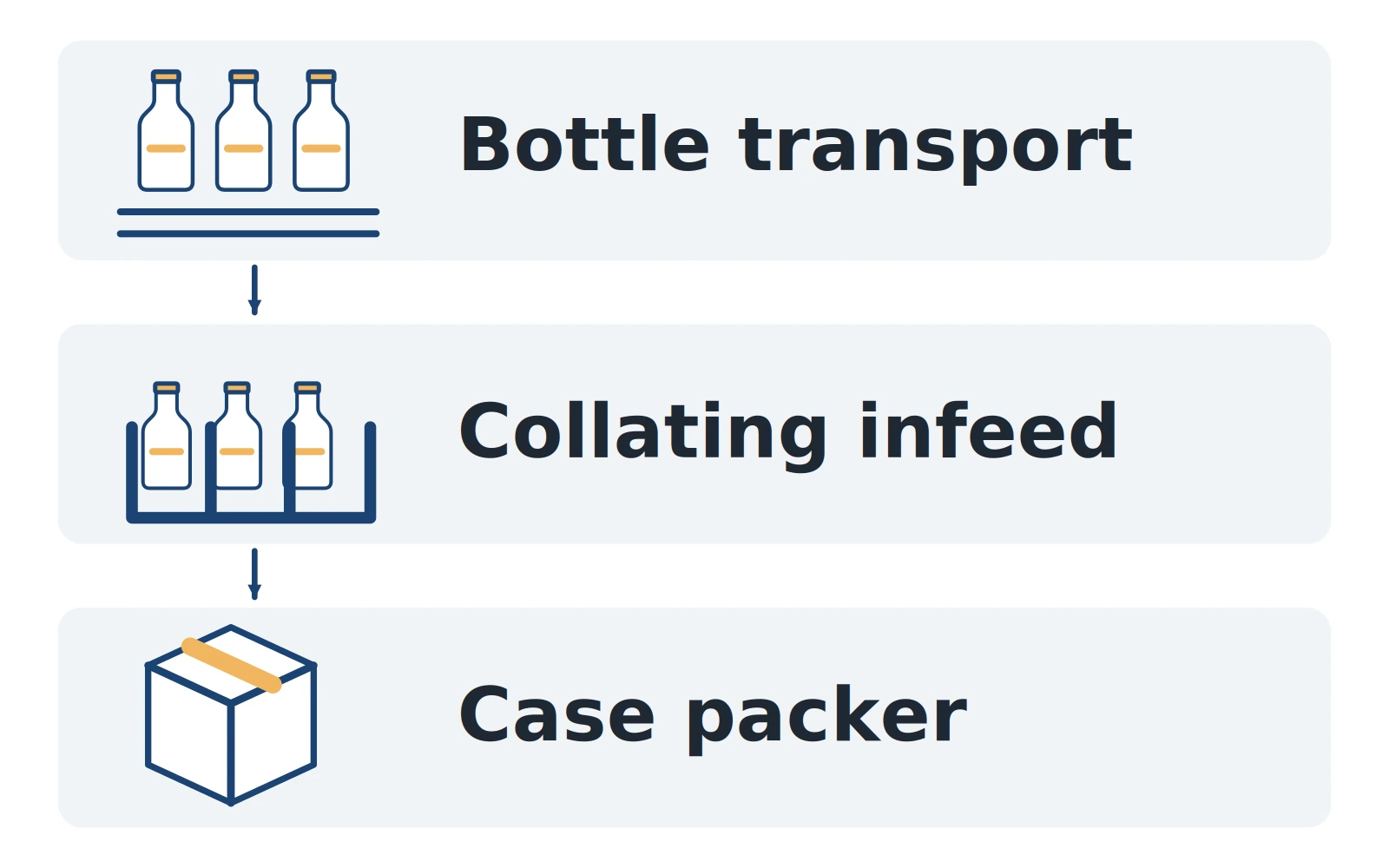
The selection guide turns a list of requirements into a shortlist. The palletizer selection guide shows how to define the load, normalize throughput claims, compare changeover, and check what each quote includes, while the pallet dispenser and slip sheet inserter specification guide defines fork-tine versus airbag separation mechanics, GMA/CHEP/plastic pallet tolerances, vacuum cup porosity math, and PLC handoff timing. For line-front container unloading, the bulk glass and PET bottle depalletizer selection guide compares high-level and low-level sweep architectures, full-layer pick heads, tier-sheet extraction, and single-filing accumulation math.
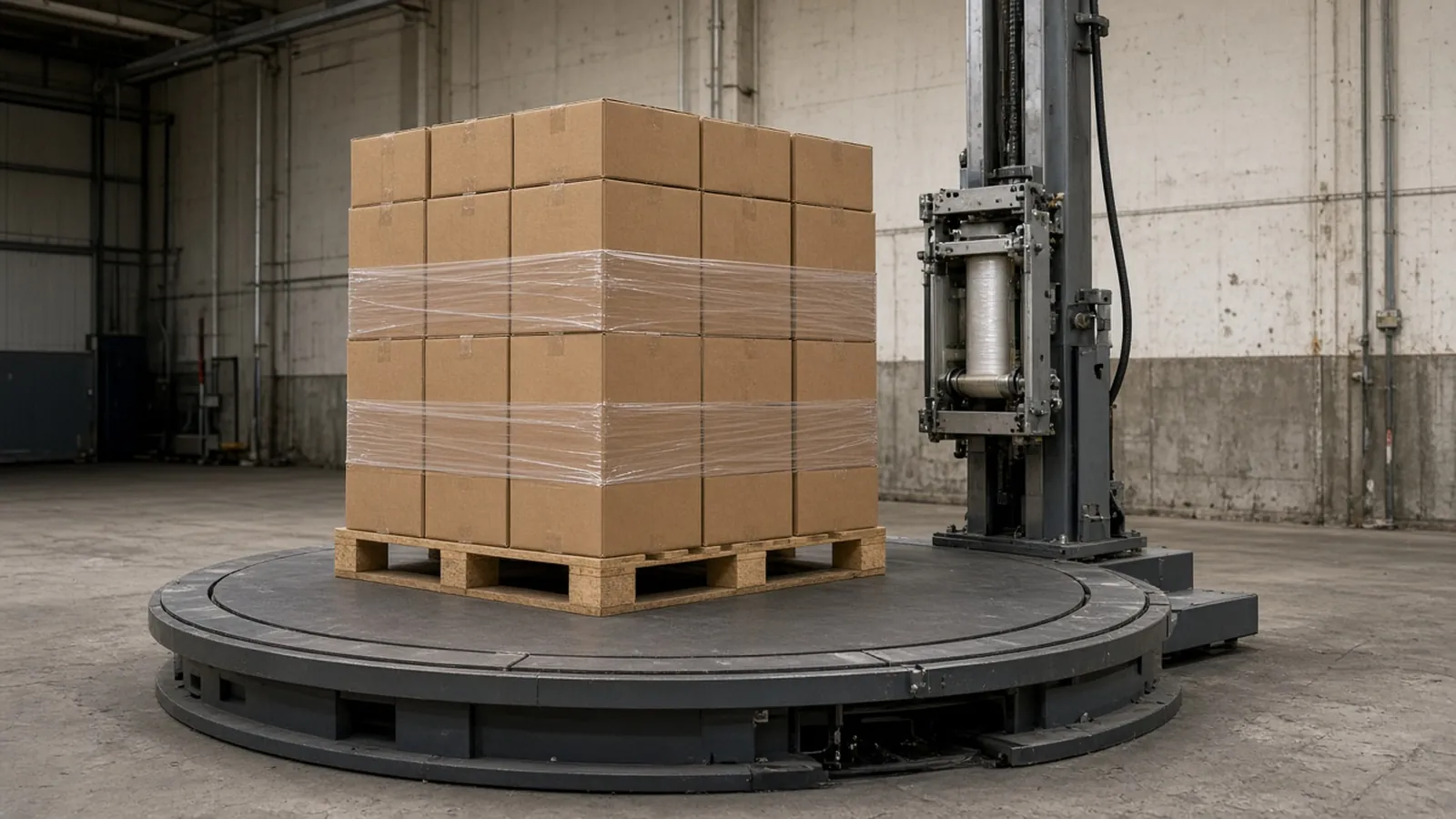
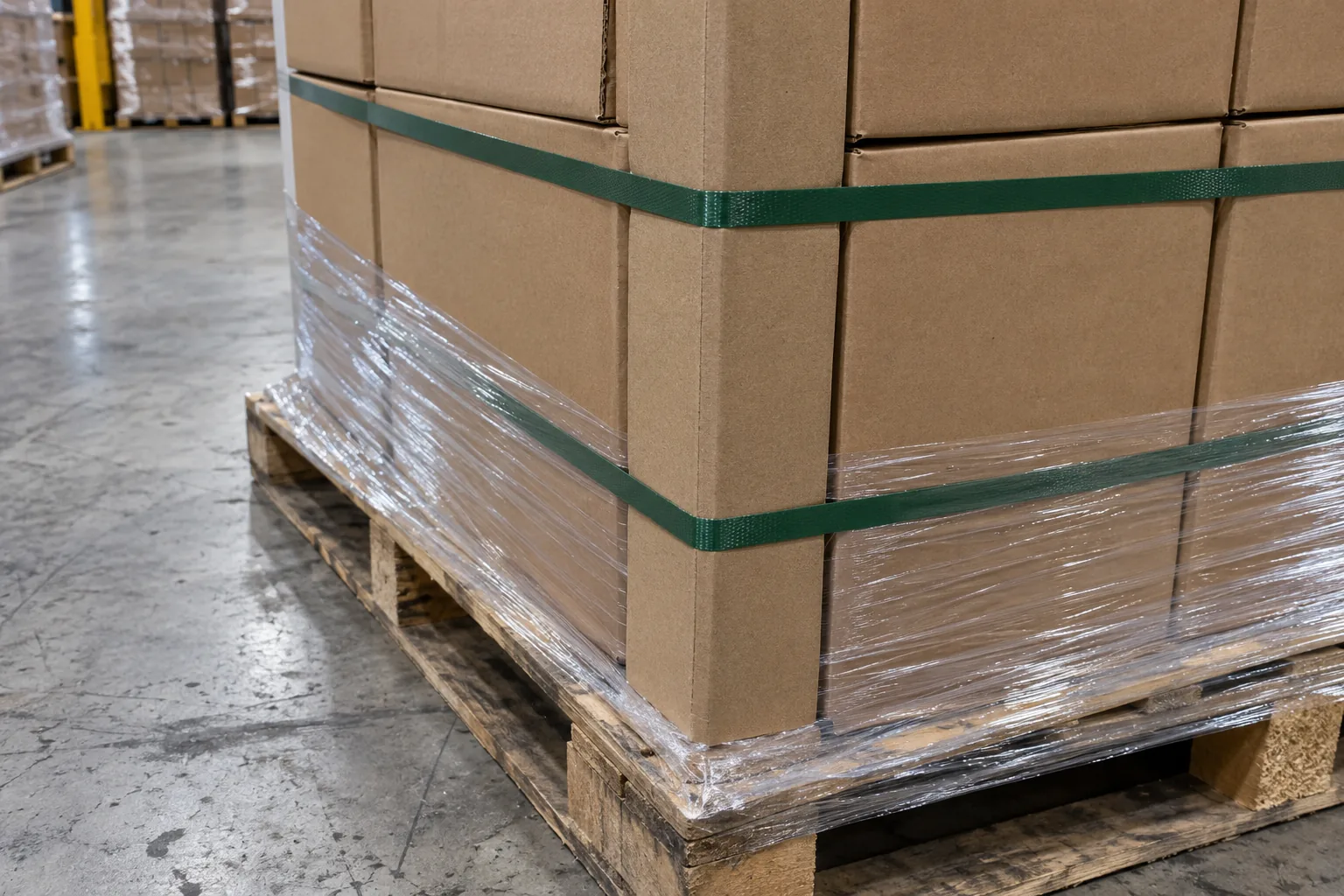
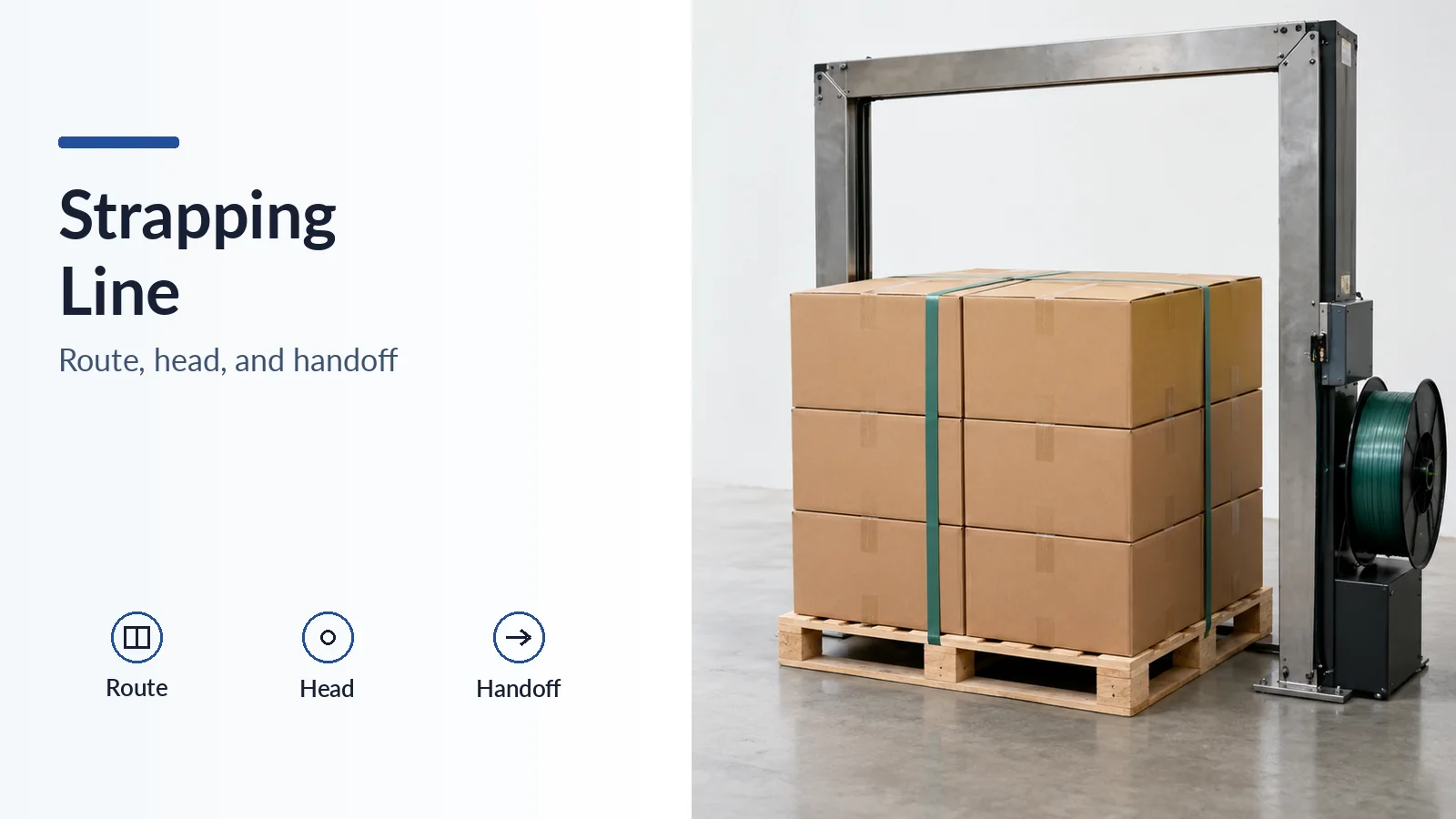
The comparison guides set approaches side by side without declaring a universal winner. The robotic versus conventional palletizer comparison covers speed, flexibility, footprint, maintenance, and cost of ownership, then walks through scenarios and ends with a short decision tree. For pallet load securing, the stretch wrap vs banding evidence checklist separates narrow bundling film from rigid pallet strapping and compares wrapping, strapping, and combined corner-board setups on the same load and trial record.
The cost guides explain how a project budget is built. They are not quotes. The palletizer cost guide and the packaging conveyor cost guide list the components of a system, the variables that move each one, a simple payback formula, and an illustrative worked example in round numbers.
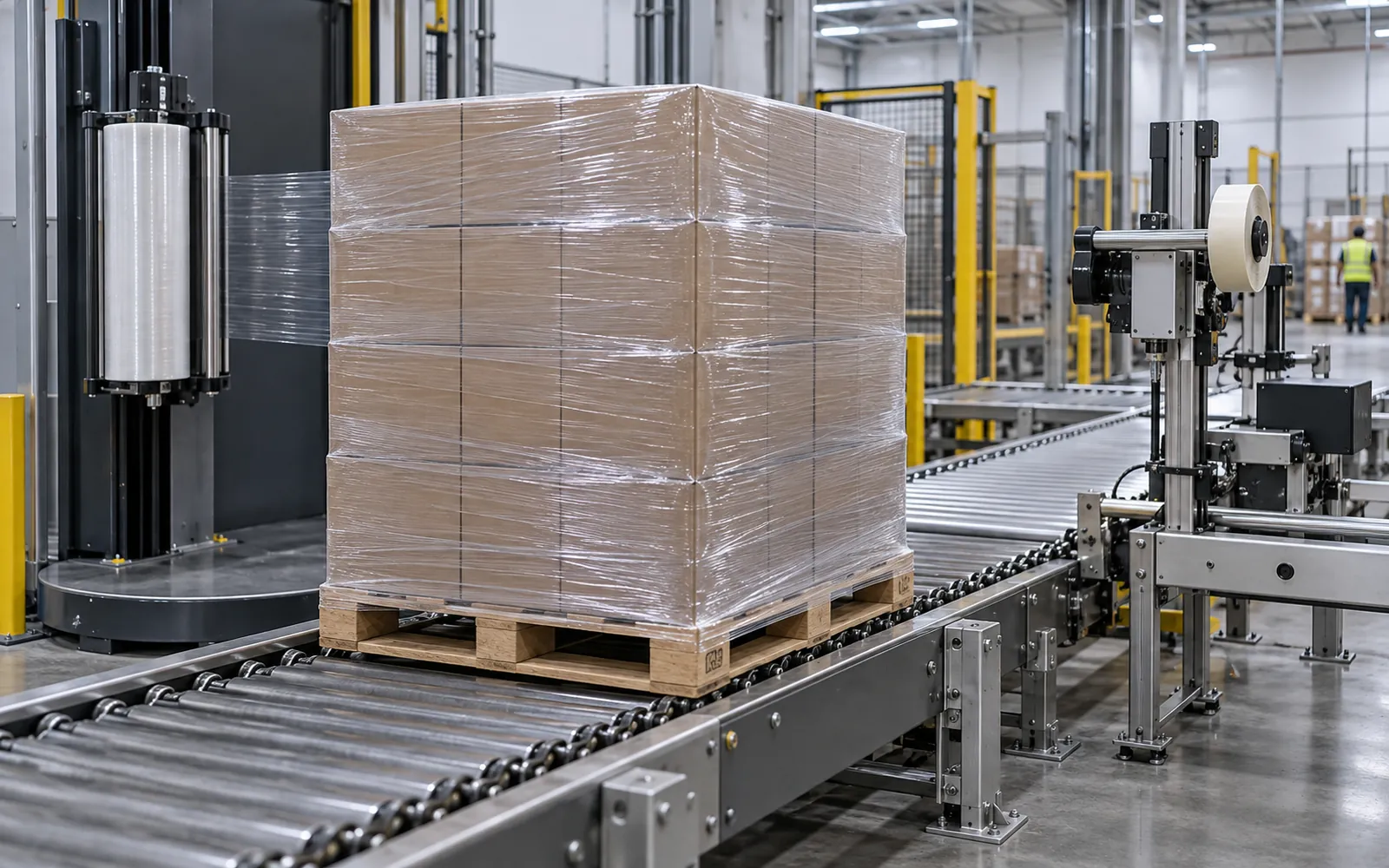
For wrapping-station proposals, the stretch wrapper cost and quote-scope worksheet separates the configured machine, installation responsibilities, and recurring expenses. Use its blank evidence fields to identify required work that a proposal leaves outside the total.
The layout guide helps fit equipment into a building: infeed heights, access, accumulation, and how the end of the line connects. See the packaging line layout guide and the packaging line integration section.
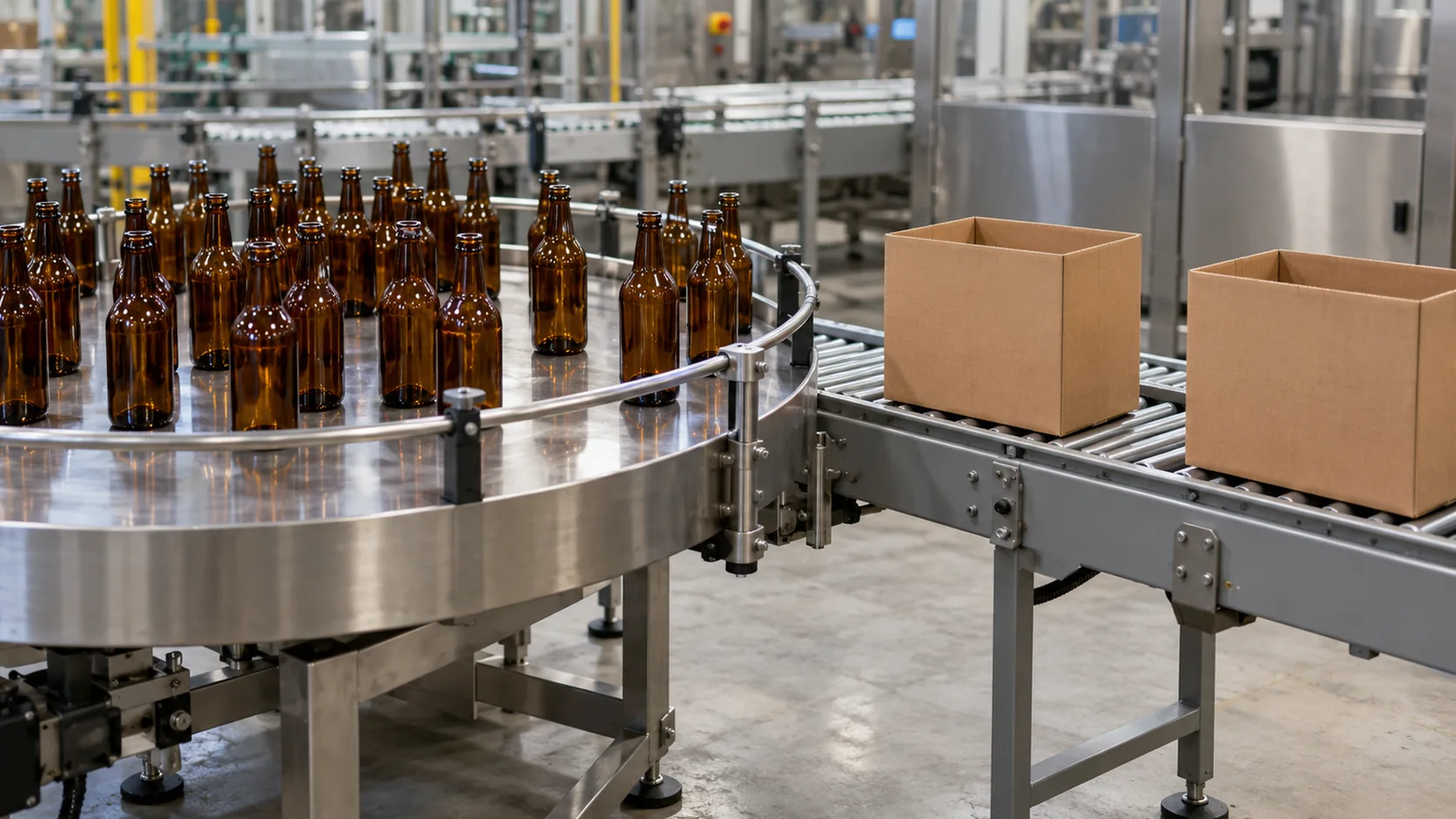
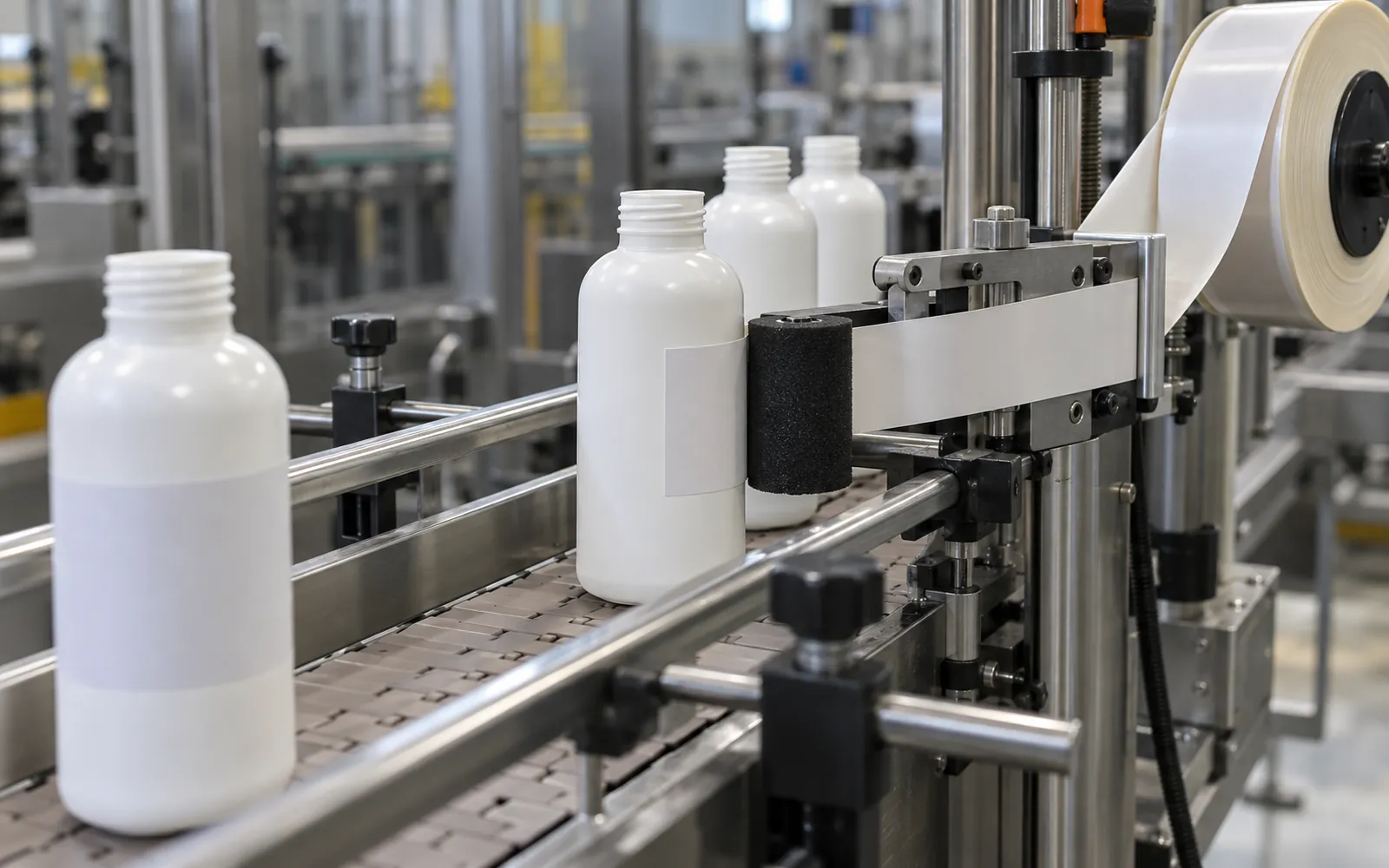
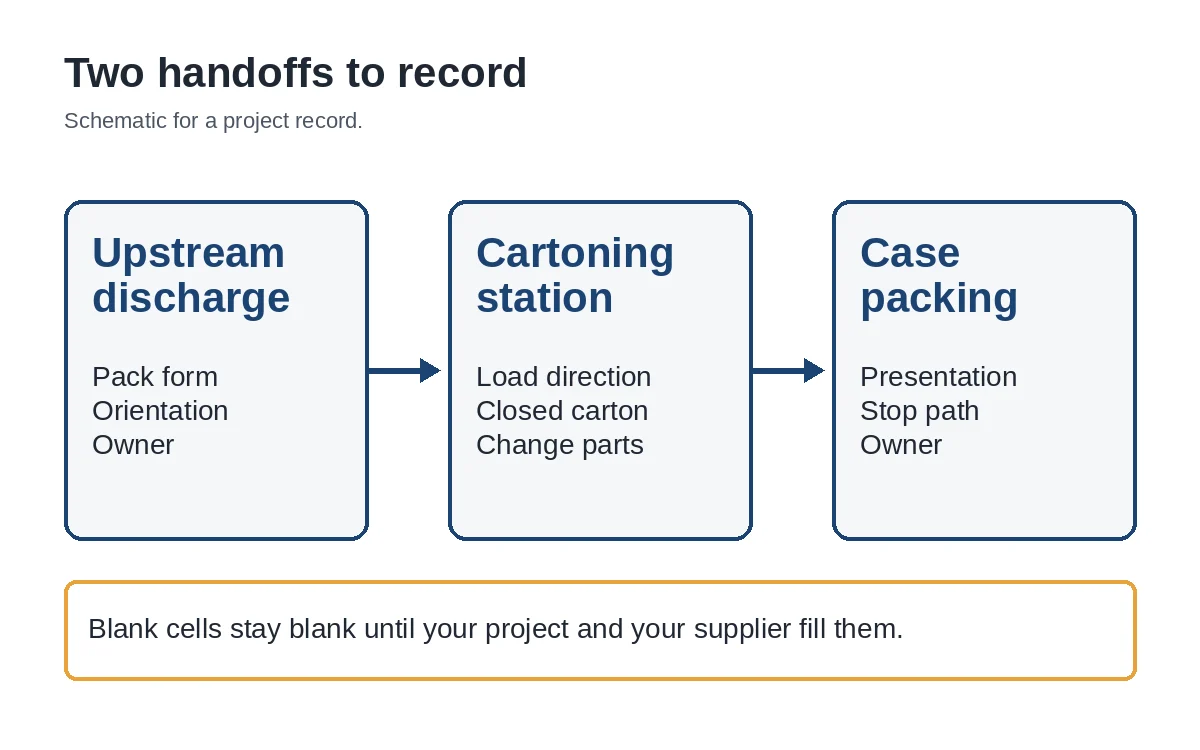
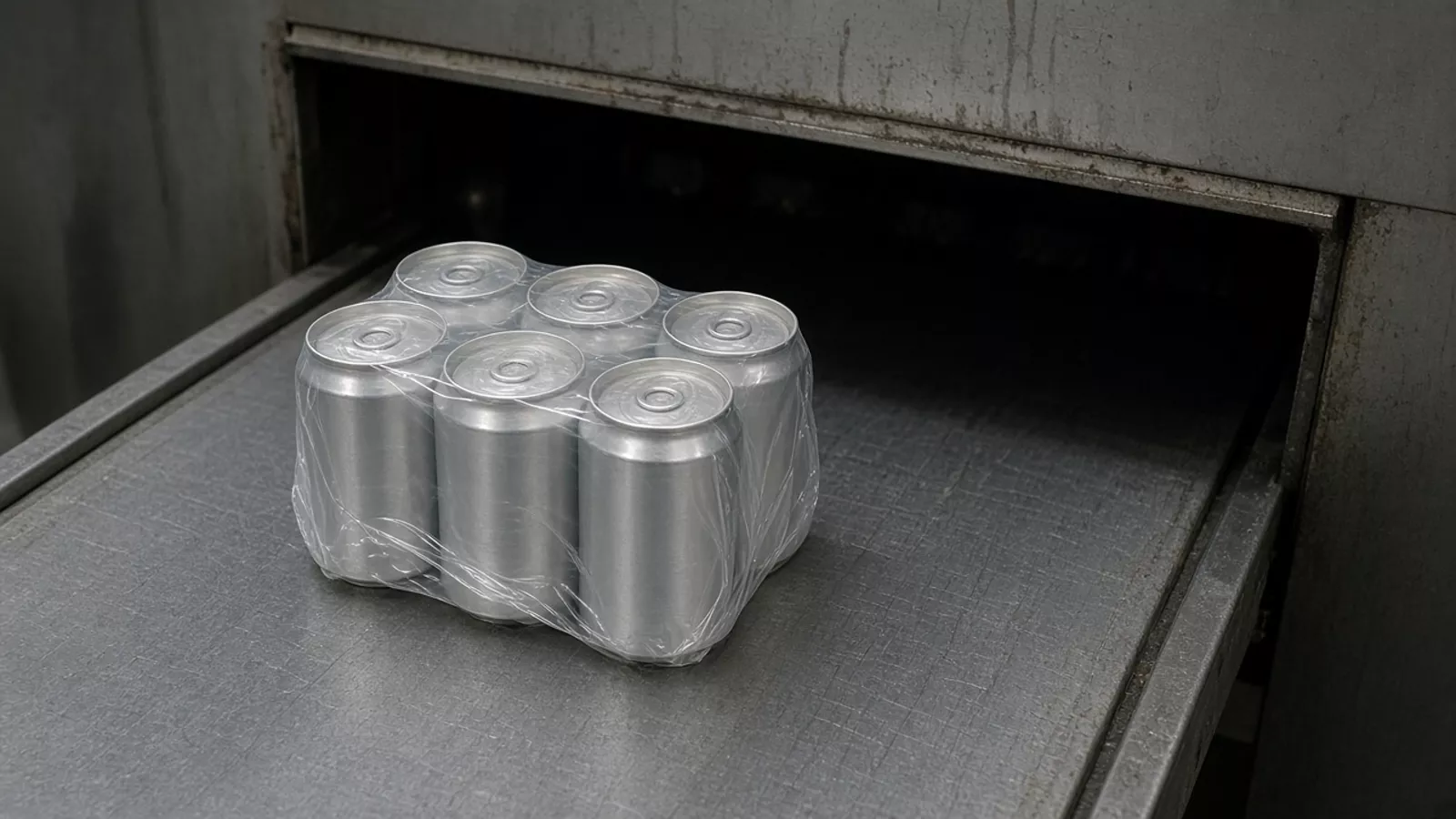
The station-fit guides take one machine and work out what the line around it must deliver. The label application machine line-fit guide matches the labeling configuration to container posture and the face that carries the label, then lists the conveyor handoffs and sample evidence to agree with a supplier. The cartoning machine line handoff guide records the upstream discharge, the closed carton, and the case-packing presentation when you add a retail cartoning station. The shrink wrap machine bundling line-fit guide records the bundle pattern, the seal-gap support, and the tunnel exit when a film pack is the unit the conveyor receives.
How to use them
Read in the order that matches where you are in the project.
- Frame the problem. Decide whether your constraint is speed, variety, floor space, sanitation, or budget. A comparison guide shows which constraints actually separate the options.
- Write the specification. Use the selection guide to list package dimensions, weights, patterns, pallet sizes, rates, and changeover frequency. A shared written specification is what makes quotes comparable.
- Build the budget. Use a cost guide to list the line items, then ask each supplier to price them separately. Treat any figure in a guide as an example of method, not a market price.
- Check the details on the equipment pages for palletizing systems and packaging conveyor systems to confirm how a specific machine type behaves.
What the guides do not do
They do not recommend a brand, publish prices without a cited source, or replace a risk assessment of your installation. Safety standards, local codes, and the facts of your plant decide those questions. The commissioning and acceptance checklist covers the wider buying process, including documents to request and acceptance testing, and works well alongside any guide here.
Start here
- Robotic vs Conventional Palletizer: the first decision for most palletizing projects.
- How to Choose a Palletizer: the specification and comparison method.
- Palletizer Cost: components, variables, and a payback formula.
- Conveyor System Cost: cost drivers by conveyor type, controls, and sanitary construction.
- Accumulation tables and line buffering: turn a stop into a disk area or a zone count.